Mat and Mirdita are neighbouring but distinct highland regions. Mat follows the river, lakes and Kastrioti landscapes around Burrel and Klos, while Mirdita reveals its identity through Rrëshen, Rubik, Orosh, Spaç and the wild mountains beyond.
11 essential Mat & Mirdita experiences
Each stop is marked by region and includes a real photo, practical guidance and its image source.
 01
01Historical Museum of Mat
Begin in Burrel with the region’s history, archaeology, ethnography and stories of the Mat highlands. Confirm the museum’s current hours locally before making a special visit.
Photo source ↗ 02
02Lake Ulza
Relax beside the broad reservoir at Ulëz, surrounded by hills and quiet water. Local activities may include kayaking, fishing and boat outings; always check operators and safety equipment.
Photo source ↗ 03
03Shkopet Lake
The narrower Shkopet reservoir cuts between steep slopes west of Burrel. Its winding road and deep water create one of central Albania’s most dramatic lake landscapes.
Photo source ↗ 04
04Mati Gorge
See the Mat River pass through high rock walls along an old mountain corridor. Choose established viewpoints and guides; the cliffs, road edges and changing water levels demand care.
Photo source ↗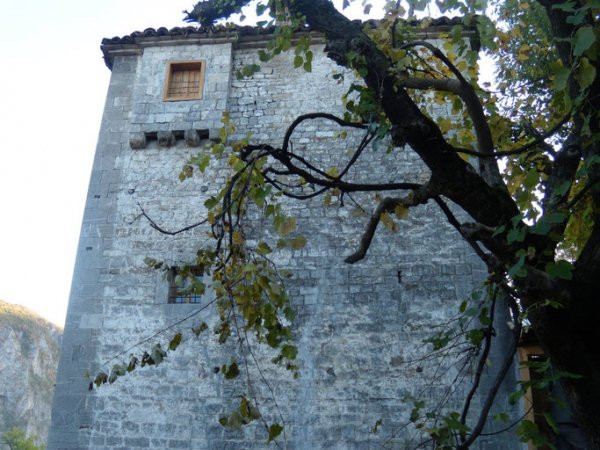 05
05Petralba Castle
Hike above Guri i Bardhë to the ruins of the White Stone Castle, linked to the Kastrioti family. The ridge rewards the climb with sweeping views across the valley.
Photo source ↗ 06
06Rrëshen & its Cathedral
Use Rrëshen as the practical base for exploring Mirdita. Visit the cathedral and town centre, then learn about regional traditions through local cultural initiatives and Infokulla.
Photo source ↗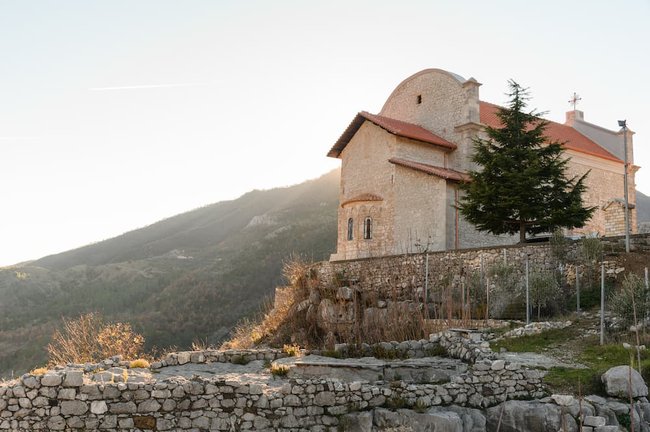 07
07Rubik Church
Climb to the Church of the Redeemer above Rubik, known for its medieval origins, surviving fresco fragments and commanding view over the Fan valley.
Photo source ↗ 08
08Abbey Church of Orosh
Travel into the mountains to Orosh, once a centre of Mirdita’s spiritual and political life. The rebuilt abbey church stands in a powerful, isolated landscape.
Photo source ↗ 09
09Spaç Prison
Approach this former communist prison and forced-labour camp as a place of remembrance. The ruins are fragile and emotionally difficult; visit with a knowledgeable guide and never enter unsafe structures.
Photo source ↗ 10
10Munella Mountain
Munella rises to almost 2,000 metres with forest, pasture and rugged volcanic and karst terrain. Use a local mountain guide, start early and treat changing weather seriously.
Photo source ↗ 11
11Uraka Canyon
Explore the gorge carved by the Uraka River near the border of Mat and Mirdita. Its caves and narrow rock walls are best visited with local knowledge, proper footwear and safe water conditions.
Photo source ↗What to eat
Mat’s table favours lamb and goat, dairy, maize bread, beans, chestnuts and preserved mountain products. Mirdita adds hearty meat dishes, pies, local cheese, honey and strong hospitality. Choose family restaurants or guesthouses and ask for the day’s seasonal menu.
Four days across Mat and Mirdita
Explore Burrel and the Historical Museum, then continue to Ulëz for lake views, a quiet walk and dinner by the water.
Drive the Shkopet and Mati Gorge route, then choose Petralba Castle if weather, daylight and trail conditions allow.
Use Rrëshen as your base, visit Rubik Church and continue to Orosh with suitable transport and time for the mountain road.
Choose a guided memory visit to Spaç or an outdoor day at Uraka Canyon. Munella requires a separate serious mountain plan and favourable weather.
Plan your trip
Best time
May to June and September to October offer the most comfortable road-trip weather. Snow, rain and fog can make remote mountain roads difficult.
Getting around
A reliable car is strongly recommended. Some approaches need a higher-clearance vehicle, offline maps or a local driver; avoid remote driving after dark.
How long
Allow at least four days to experience both regions. Mat and Mirdita each deserve two days, with extra time for hiking or village stays.
Safety
Use guides for caves, canyons, Spaç and mountain routes. Check weather, road access and daylight, carry water and never enter unstable ruins or fast water.
This guide uses Albania’s official tourism information and established cultural and nature sources. Opening hours, access, road conditions and guided activities can change; verify locally.
Official Mat guide ↗Official Orosh Abbey guide ↗
Official Munella guide ↗